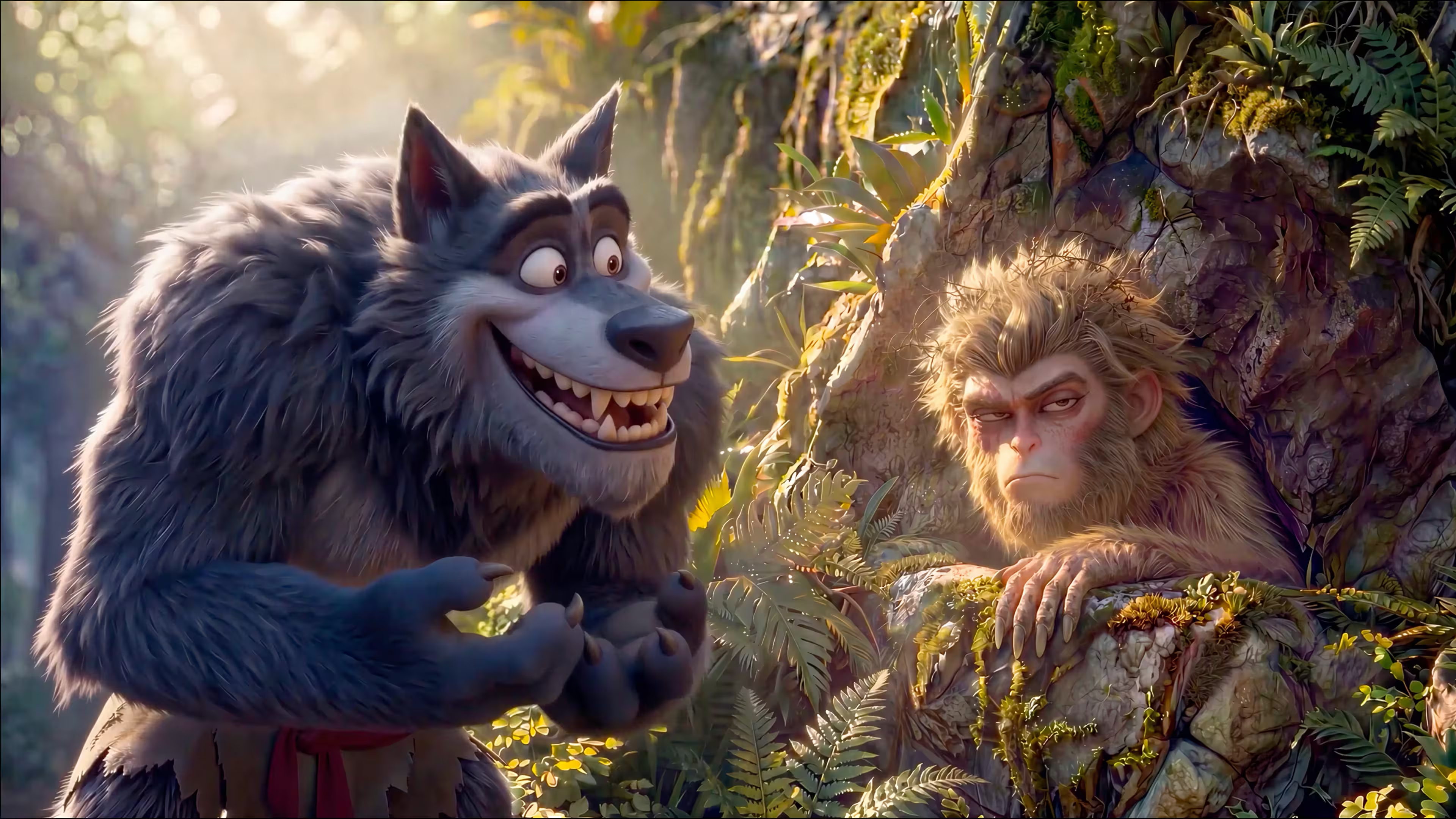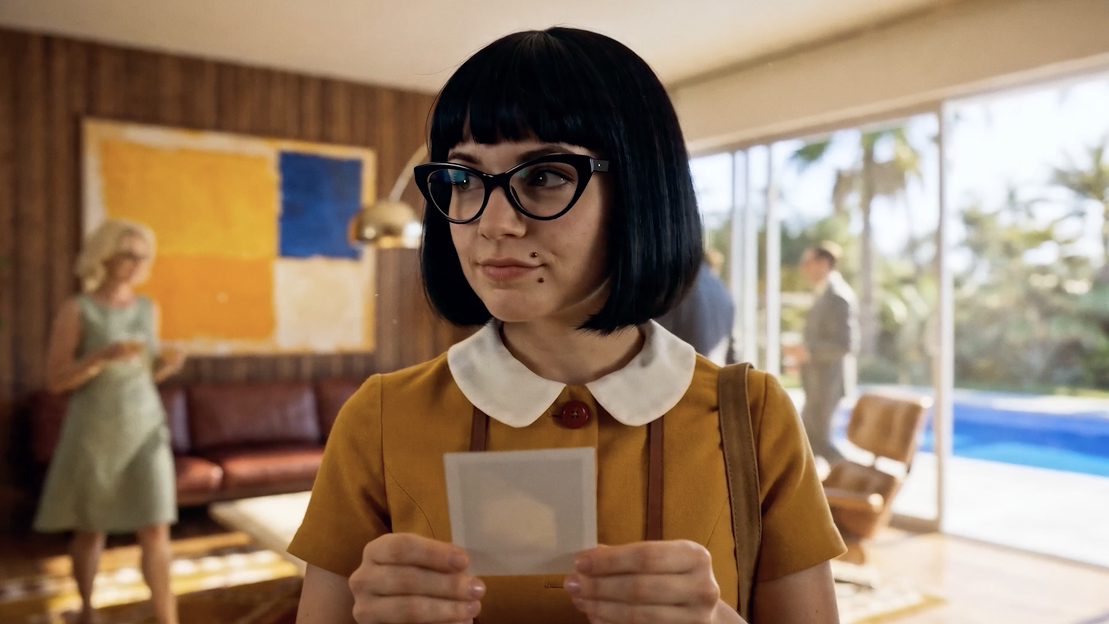
Most AI video generators solve one problem well: turning a prompt into a clip. Quality across the industry has improved dramatically, and the best models now produce visually impressive footage at the single-shot level. But a single impressive clip is not filmmaking. The gap between generating a clip and producing a coherent story is where nearly every AI video tool on the market breaks down.
That’s why we built PAI as a video agent rather than another generation model. This distinction sits at the center of everything we do at Utopai Studios and it’s why professional creators and studios are choosing PAI for production work that demands more than a prompt box and a render button.
When choosing an AI video creation platform, most comparisons focus on output quality: resolution, motion realism, generation speed. These are valid benchmarks, but they only describe what happens inside a single generation call and say nothing about what happens between calls, across scenes, or over the life of a production.
Most AI tools today are optimized for short clips, which means the hardest parts of filmmaking remain unsolved. Maintaining character consistency across dozens of shots; keeping environments coherent as the camera changes; carrying creative decisions forward without losing what already works; revising a sequence without restarting the entire project - these are orchestration, planning, and memory problems, and solving them requires a fundamentally different kind of system.
PAI is model-agnostic by design. Rather than competing with every image, video, or audio model on the market, PAI sits above them as a proprietary intelligence layer that plans, coordinates, critiques, and improves long-form storytelling workflows.
In practice, this means PAI can take a script, a sketch-to-video concept, or a text-to-video prompt and translate it into production-ready visual direction - building storyboards, character profiles, environments, and creative references before any footage is generated. It breaks complex, multi-scene projects into executable plans and orchestrates the full workflow from concept through final assembly, maintaining continuity so a character introduced in scene one looks the same in scene forty. And because PAI routes tasks to the best available generation models rather than relying on a single one, it becomes more capable every time the underlying technology improves, without locking creators into any one provider.
Building an agent that orchestrates models is an engineering challenge with a known shape. What’s far harder, and what we believe is PAI’s deepest advantage, is the research required to give that agent narrative intelligence.
Cinematic storytelling relies on domain-specific language that general foundation models aren’t built to handle: camera movement, lighting design, motion beats, and the interplay between them that makes a scene feel intentional rather than generated. These aren’t features you can prompt your way into. They require dedicated research into how cinematic language works and how to encode it into a production system.
Aesthetics compounds the difficulty further. What makes a frame, sequence, or transition feel right is subjective and not programmatically verifiable, which means you can’t simply train against a fixed benchmark. Our research tackles high-aesthetic video generation as a core problem, building systems that develop and apply visual taste rather than optimizing for a metric that only approximates it.
This research is trained against real production, not synthetic benchmarks. Utopai builds PAI inside an operating studio, giving the system direct exposure to the creative, editorial, and production decisions that determine whether a story actually works. Productions improve the system, workflows generate proprietary learning, and those improvements compound making future projects faster, better, and more scalable. Our IP compounds in value as it reaches audiences, our technology compounds in capability as it produces more content, and each side reinforces the other.
Creators can generate storyboards, character references, and visual direction from the script before any footage is rendered, with camera angles, framing, and shot composition guided through natural language at a level of control that mirrors how a director communicates with a crew.
Once generation begins, PAI works as a cinematic AI video generator that produces multi-scene sequences of any length in 4K, maintaining seamless continuity across characters, environments, and cinematography. For studios evaluating the best AI video generator for filmmakers, this is the capability that matters most: footage you can actually cut into a coherent sequence.
Editing and refinement happen through multi-turn workflows that let creators revise sequences without starting over, within a system that remembers prior decisions and propagates updates across every relevant frame. The output supports exports compatible with Premiere Pro, DaVinci Resolve, and ProRes-based workflows.
The generation layer is commoditizing, with new models arriving regularly that improve in resolution, motion quality, and coherence. This is positive for the space, but it means the real value in AI filmmaking is shifting toward systems that make generation usable for professional storytelling.
PAI is built for that shift. As an AI video generator from script to final cut, it improves automatically as the models it orchestrates get better while the planning, memory, narrative intelligence, and editorial layers continue doing the work no generation model handles on its own. Long-form specialization, built around continuity, multi-shot logic, character consistency, and production planning, has to be the foundation, not something bolted on after the fact.
Everything described above reflects how PAI works today. Next week, we’re releasing the most significant update to the platform since launch.
The core agent is getting substantially more capable, with deeper personalization and workflows that adapt to how individual creators actually work. We’re introducing Canvas, a freeform creative workspace that makes the entire production process visible, editable, and controllable in one connected environment. New generation capabilities, including fast variant exploration and advanced keyframe control, will give creators more options at every stage.
PAI is becoming a system where creators choose how much control they want, from guided workflows to full open-canvas production, with the agent supporting them at every level. We believe this is the right architecture because professional storytelling isn’t a single workflow. It’s a spectrum of creative processes, and the platform needs to meet creators wherever they are on it.
More details to come on June 2.
Whether you’re an independent creator exploring AI video production for the first time or a studio building cinematic content at scale, PAI is the AI filmmaking platform designed for the work you actually need to do.
Recibir notificaciones
El futuro de la narración, en tu bandeja de entrada.