
La IA en la producción cinematográfica no siempre significa generar una escena desde cero.
Utopai Studios trabajó recientemente en una película de acción real, Half Moon. Las actuaciones eran reales, y las decisiones en el set seguían perteneciendo al director y al director de fotografía. La IA llegó más tarde, en tomas específicas donde la producción necesitaba algo más.
Rodar la actuación, extender el entorno
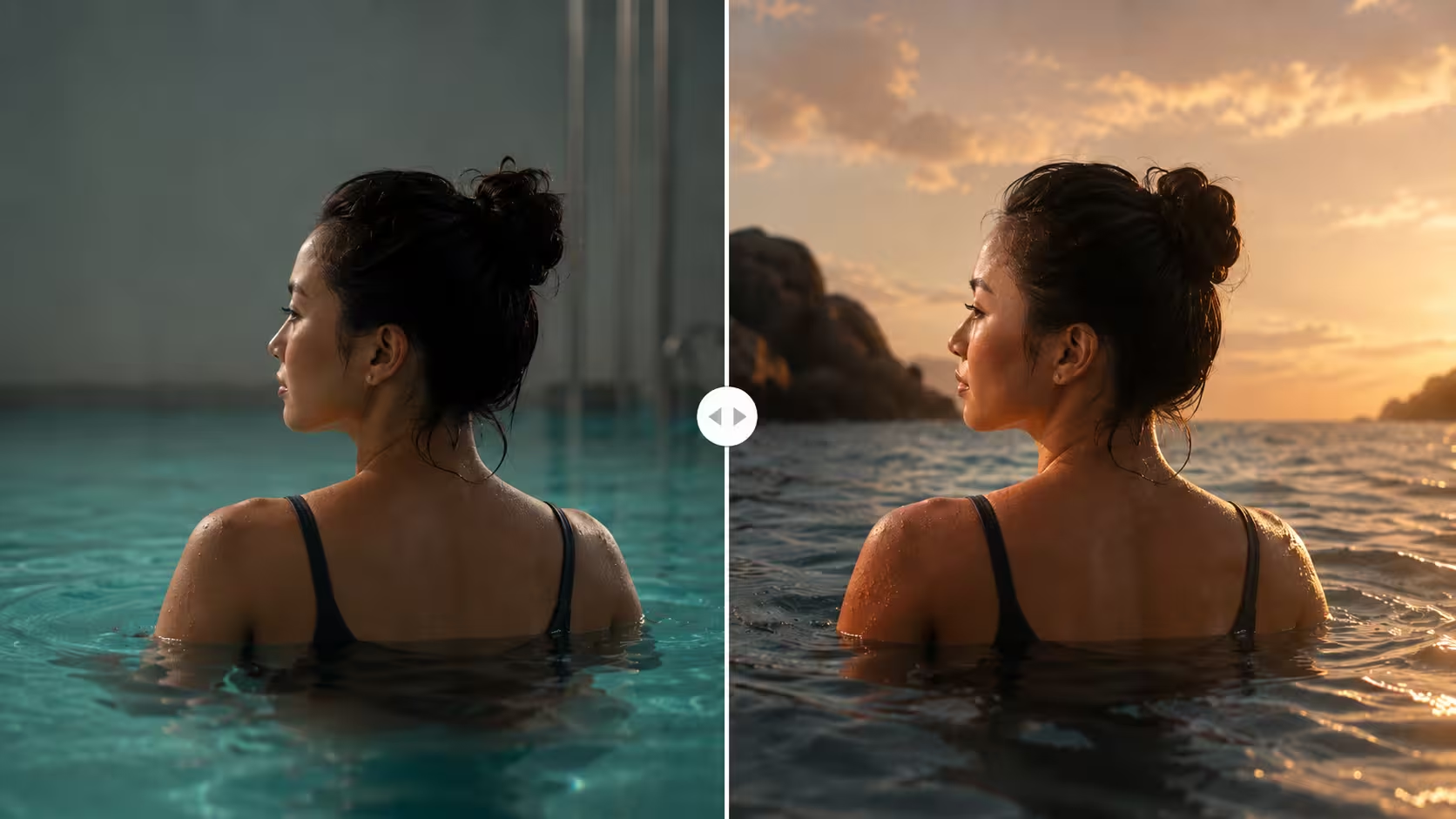
La escena en Half Moon implicaba filmar en aguas abiertas al atardecer. Rodar eso literalmente significa agua, luz menguante, problemas de seguridad y las restricciones que conlleva filmar en el océano. Así que la producción capturó la actuación en una piscina controlada en su lugar.
.gif)
El ángulo de cámara se mantuvo intacto. La actuación se mantuvo intacta. La IA VFX se usó a su alrededor: eliminando la piscina, extendiendo el entorno hacia aguas abiertas y ajustando la luz para que coincidiera con la escena.
La ventaja práctica es que una escena difícil de rodar de forma segura aún puede filmarse. El actor actúa en una piscina, y el agua abierta llega después.
Carsten Kurpanek, Jefe de Producción en Utopai Studios, lo describe como un flujo de trabajo mucho más cercano al VFX tradicional:
“Proteges el ángulo de cámara y la actuación al 100%, y aplicas elementos de efectos visuales como reiluminación y extensiones de decorado. Estás mejorando una toma existente.”
Qué cambia realmente la extensión de decorado con IA VFX
La extensión de decorado y la reiluminación con IA VFX significa mantener la placa original y cambiar solo lo que rodea a la actuación. La producción filma al actor en un entorno controlado o simplificado, lo que protege el ángulo de cámara y la actuación tal como se filmó. Los alrededores, la luz y cualquier cosa que la cámara nunca capturó se construyen después en postproducción. El director, el actor y el director de fotografía siguen determinando la toma, y el trabajo de IA se aplica a las partes del encuadre que la producción no necesitaba fotografiar literalmente.
El director sigue dirigiendo la actuación y el actor la interpreta en una toma determinada por el director de fotografía. Nada de la escena tiene que ser inventado. La placa proviene de un rodaje real, muy similar a un flujo de trabajo VFX convencional donde el CGI maneja lo que la cámara no pudo alcanzar.
El estándar para saber si funciona es el que cualquier toma de efectos visuales debe cumplir.
“Cuando alguien ve la película, no quieres que se salga de ella. Debe ser perfecta con el resto del metraje.”
La actuación sigue importando, y también la fotografía y las decisiones tomadas en el set. Una producción ahora tiene más formas de construir las partes del encuadre que no pudo fotografiar.
Explora cómo PAI de Utopai Studios puede apoyar flujos de trabajo de producción híbridos, desde extender metraje de acción real hasta crear nueva cobertura en postproducción: utopaistudios.com/pai
Recibir notificaciones
El futuro de la narración, en tu bandeja de entrada.

.png)
.avif)
