
The New Era of Cognitive Cinema
Why storytelling is shifting from capital constraints to creative cognition
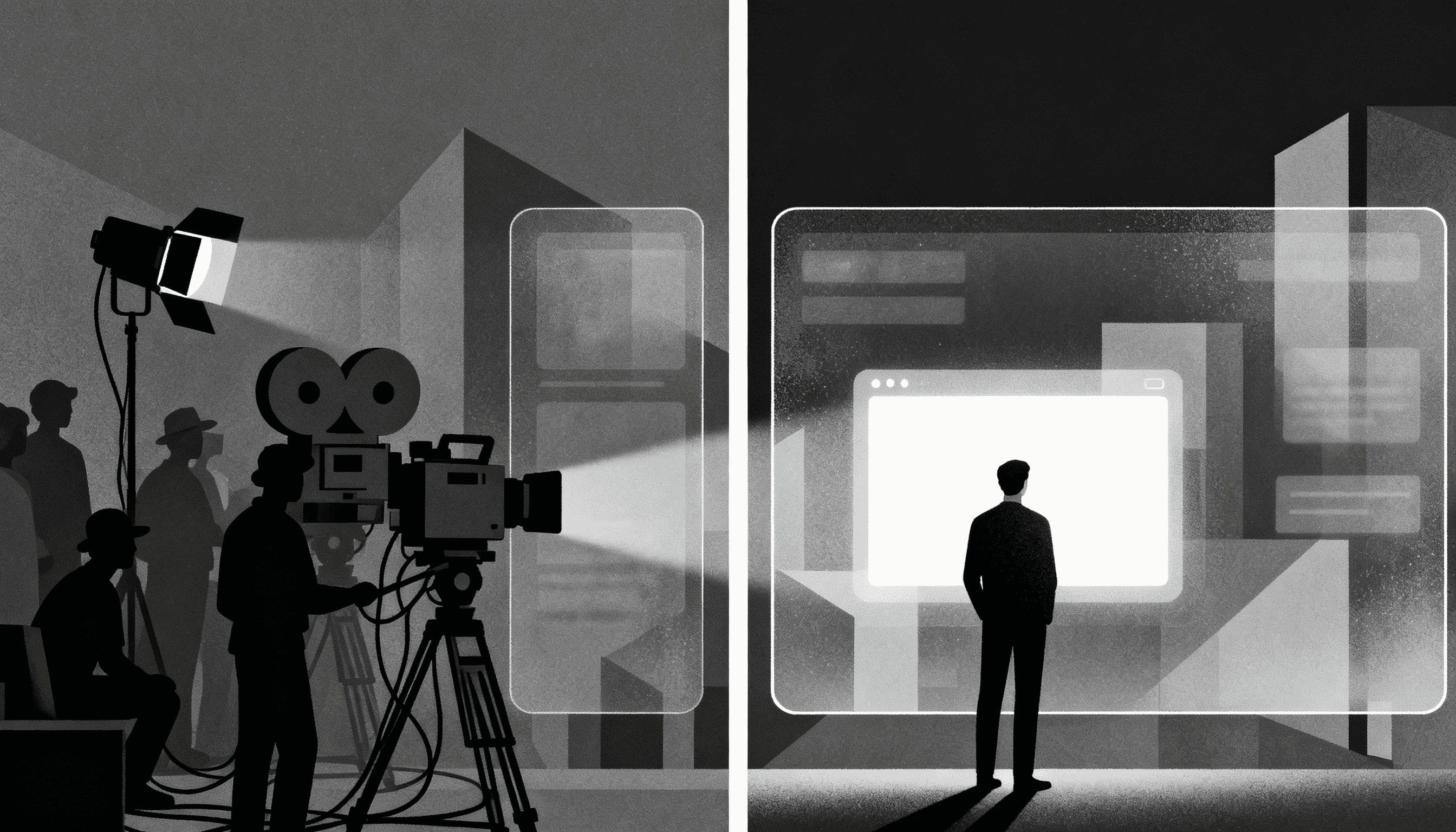
For most of film history, capital determined scale.
If you wanted armies on screen, you needed armies. If you wanted alien worlds, you needed VFX teams. If you wanted long-form cinematic storytelling, you needed infrastructure: crews, sets, cameras, render farms, and distribution pipelines. Ambition was limited by logistics.
We are entering a different era now.
In cognitive cinema, the limiting factor is no longer infrastructure. It is narrative clarity, creative judgment, and the ability to guide an AI filmmaking system built for story logic rather than physical constraint.
This is the shift PAI was designed to support.
From infrastructure-heavy filmmaking to story-driven systems
While traditional filmmaking is logistics-first, AI-native filmmaking is cognition-first.
Historically, scripts were translated into shot lists, shot lists into schedules, and schedules into physical production. Every creative decision passed through layers of coordination and cost. The production pipeline existed to manage physical resources.
Today, the pipeline itself can be computational.
The constraint is no longer whether you can afford to build a world. It is whether you can design a world that holds together across scenes. In essence, cognitive cinema shifts the bottleneck from capital to creative authorship.
The real transformation: script to scene, not prompt to clip
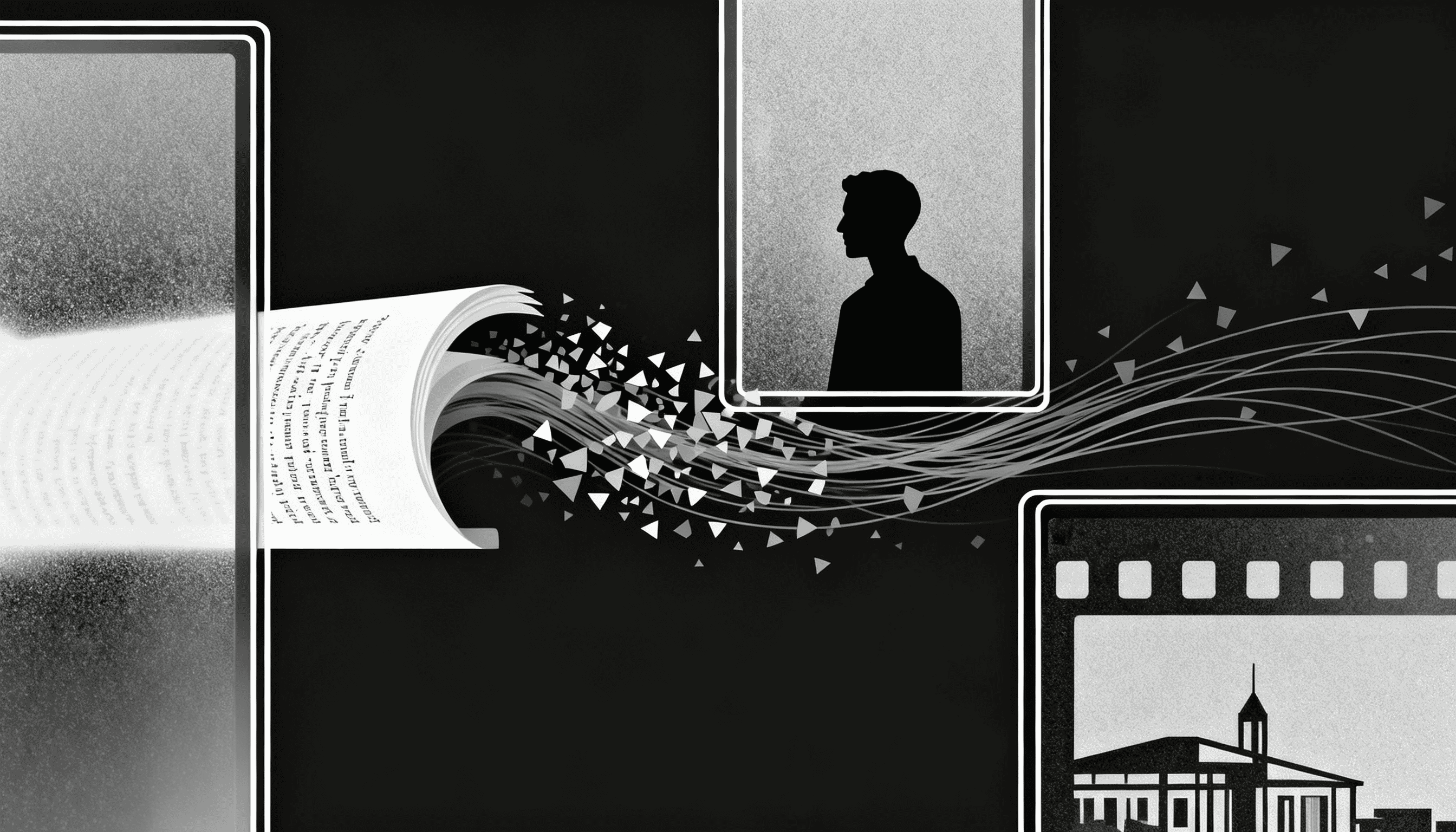
Most AI video generation tools still operate at the prompt-to-clip level. They generate impressive visuals, but they do not understand narrative structure. Cinematic storytelling requires more than generation. It requires translation, from script logic to scene logic.
PAI is built around a script-to-scene workflow.
The process begins with story structure. Characters are extracted directly from the screenplay. Environments are grounded in narrative context. Shots are proposed according to story function, pacing, and emotional progression. This is what turns an AI film generation tool into a professional filmmaking model. The system is not improvising images; instead, it is executing narrative architecture.

Long-form storytelling without logistical drag
Long-form narrative has always required scale. More scenes meant more complexity. More locations meant more coordination. Continuity across departments demanded layers of oversight. Cognitive cinema removes that logistical drag.
PAI supports multi-scene narrative sequences up to one minute in length, with up to 16 structured shots inside a single narrative flow. That matters because long-form storytelling depends on continuity across scenes, not isolated generation. Characters persist. Worlds remain stable. Visual language carries forward. Narrative arcs unfold inside a single coherent ai workflow.
Long-form story support is no longer constrained by physical scale. It is constrained by creative coherence.
Creative iteration replaces production bottlenecks
In traditional filmmaking, revision is expensive. In a story-driven AI system, iteration is the workflow. Adjusting blocking or reworking performance often requires reshoots, lighting resets, and crew coordination. In a story-driven AI system, iteration is embedded in the workflow.
PAI supports multi-turn creative iteration and story-level editing control at both frame and full-video levels. Directors can refine performance, motion, and composition without restarting entire sequences. The narrative structure remains intact while the creative choices evolve.
This is not about speed alone. It is about preserving intent while refining execution. Instead of asking, “Can we afford to change this?” creators ask, “Is this the strongest version of the story?”
Taste becomes the constraint.

Animation-forward narrative environments
Cognitive cinema is not limited to realism. Animation, stylized motion, and cinematic environments can exist within the same structured narrative framework.
PAI supports animation-forward storytelling with the same narrative continuity and environmental stability as live-action sequences.
Motion remains temporally consistent. Environments remain coherent. Character identity persists across stylized or realistic contexts. The system treats visual language as structural DNA rather than surface styling.
This opens genres that were historically capital-intensive: speculative science fiction, large-scale historical epics, ambitious animated worlds, while preserving narrative coherence across scenes.
The rise of the AI-native studio model
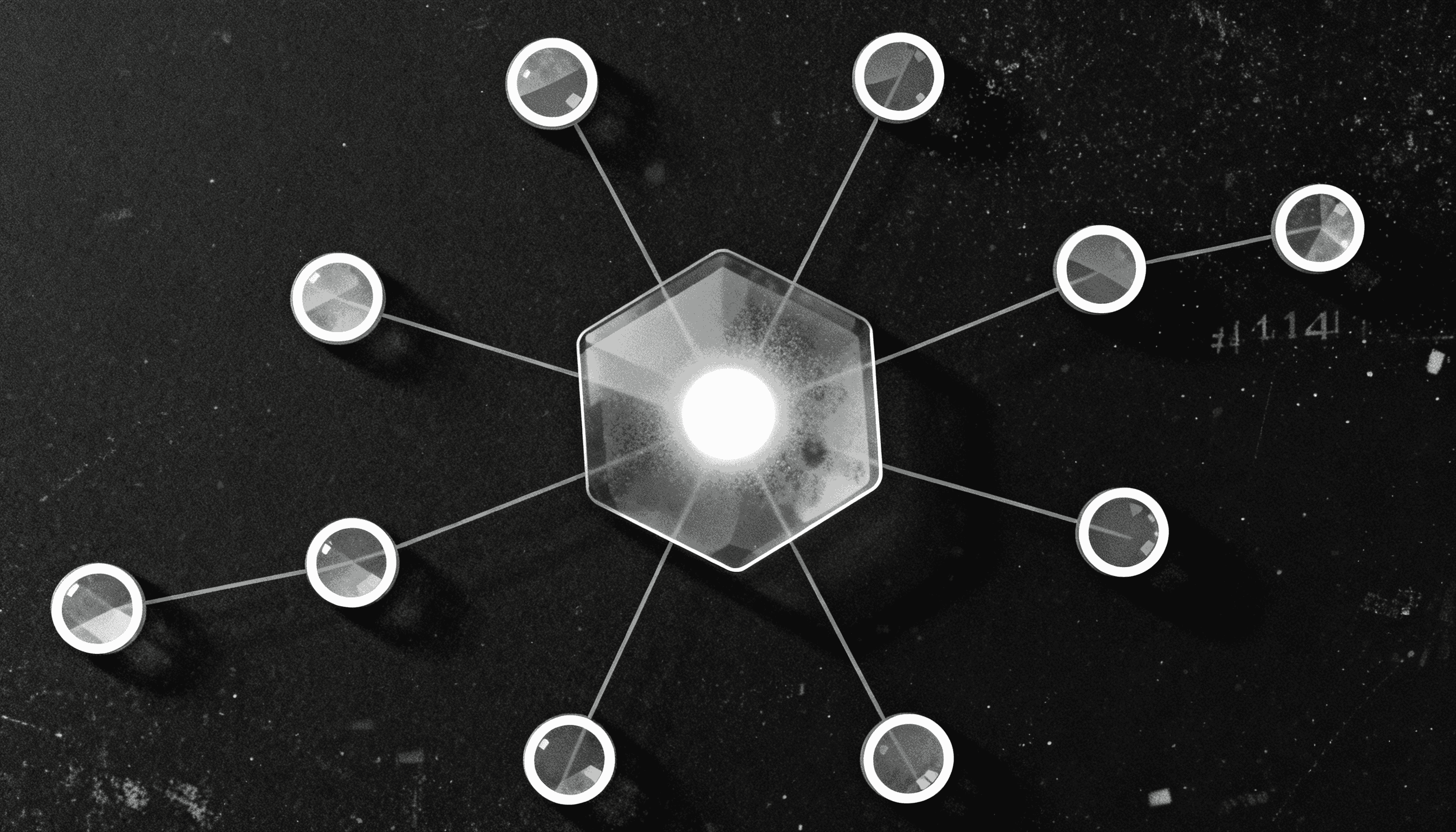
What emerges in this new era is not simply faster filmmaking, but a new AI studio architecture.
PAI operates as a cinematic storytelling engine, supporting narrative development, scene construction, iterative refinement, and final delivery within a single structured workflow. It reduces reliance on fragmented toolchains, preserves creative context from script through export, and produces production-ready outputs up to 4K resolution, built for public release.
At the same time, it embeds workflow-level safeguards that block generation against copyrighted IP, protected characters, and the likeness of public figures, supporting responsible authorship as new original worlds are developed.
In cognitive cinema, infrastructure is no longer the defining constraint. The limiting factor becomes clarity of vision, strength of structure, and precision of creative direction. The most powerful AI movie generation systems will not be defined by spectacle alone, but by their ability to sustain narrative coherence across scenes while keeping human creators in control.
That is the foundation of cognitive cinema, a shift from filmmaking as a logistical exercise to filmmaking as a cognitive one, where story, structure, and creative judgment become the true differentiators.


Get notified
The future of storytelling, in your inbox.
