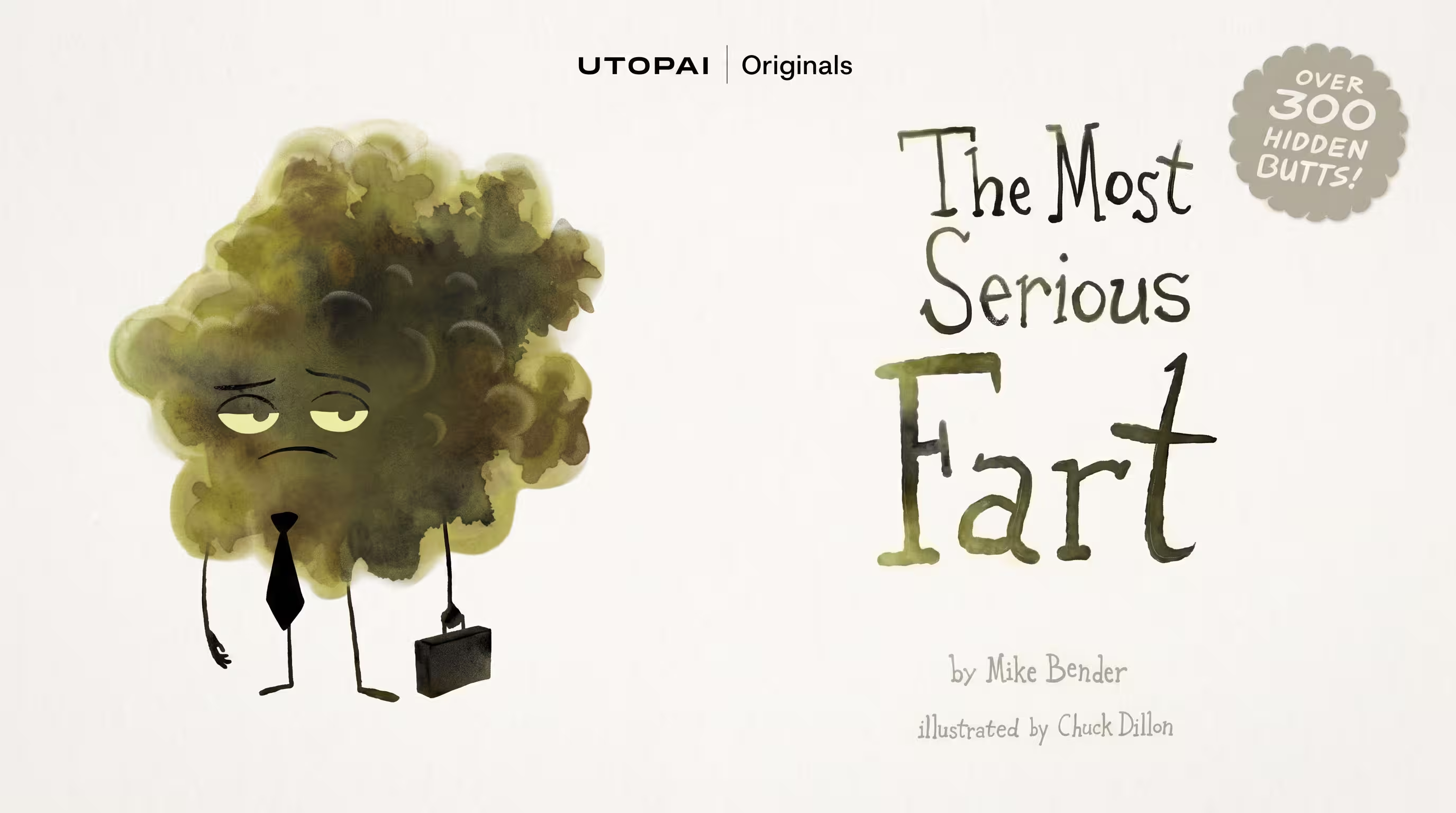
.png)
Stories are how we make sense of the world. Long before there were studios or platforms, there were people trying to capture moments, pass down memory, and give shape to what they felt. Every generation inherits new ways of telling stories. Some fade into the background. Some reshape what is possible. And we are living through one of those moments now.
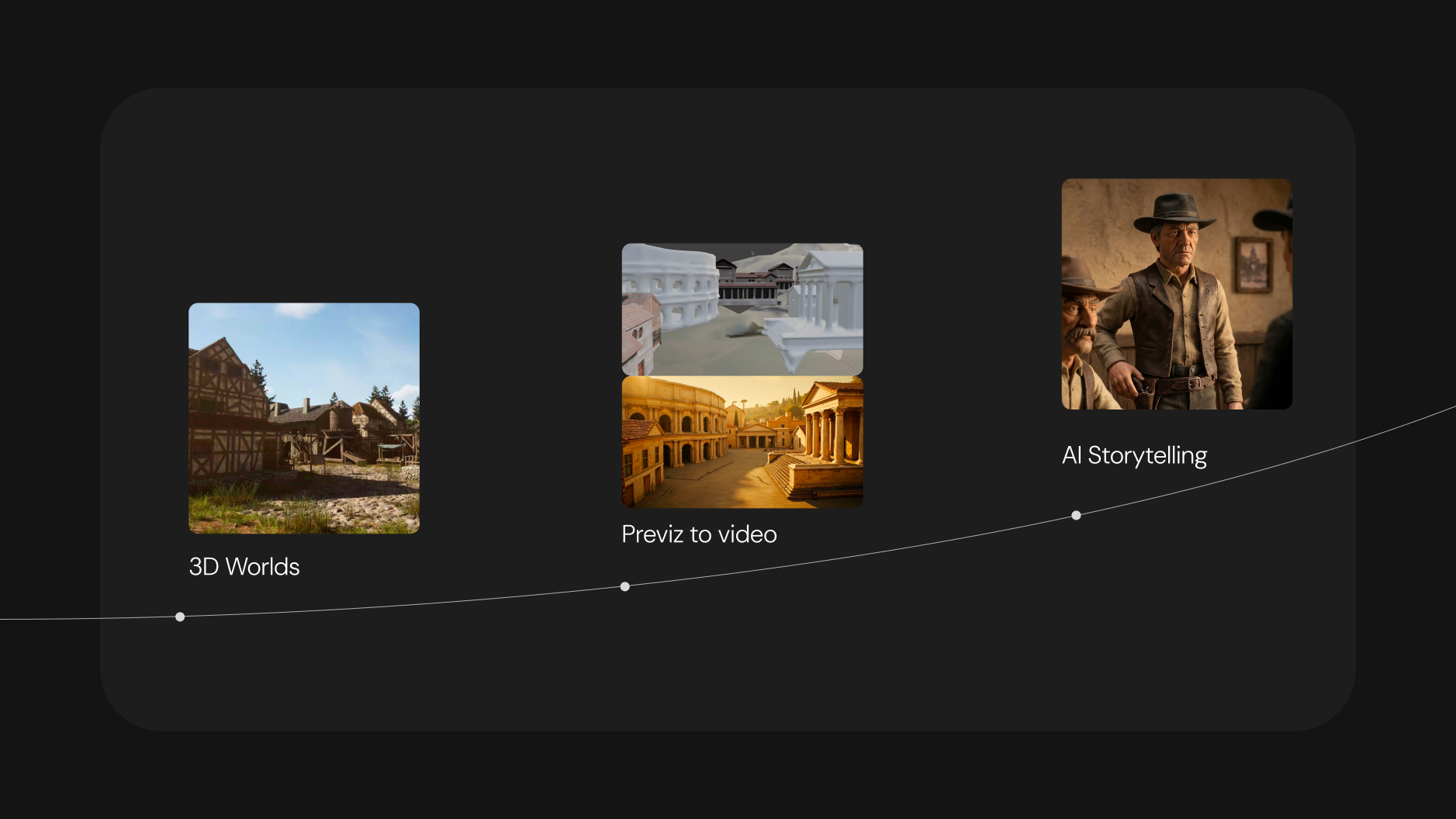
At Utopai, our mission has been clear since day one. We started with 3D as a professional solution for the gaming industry, enabling everyone to create their own worlds and stories within games. Gradually, we scaled to 3D for video, serving entertainment professionals, and now we are moving into long-form video generation.
Our journey began with building real worlds for real productions. We were working on how environments come together and how scenes are staged. Over time, that work brought to light what storytellers actually need to sustain a story.
We were working on how environments come together, how scenes are staged, and how camera language carries emotion on screen. Over time, that work brought to light what storytellers actually need to sustain a cinematic story across scenes and sequences. Characters need to remain themselves from one moment to the next. Visual language has to hold together across an entire story arc.
Video storytelling is expanding beyond the structures that defined it for decades. New formats are emerging. New creator communities are forming in the open. Stories now take shape across borders and cultures from the moment they are imagined. This shift is opening space for voices that have historically sat outside the mainstream of production, while also pushing the industry to rethink how cinematic work is created, owned, and sustained.
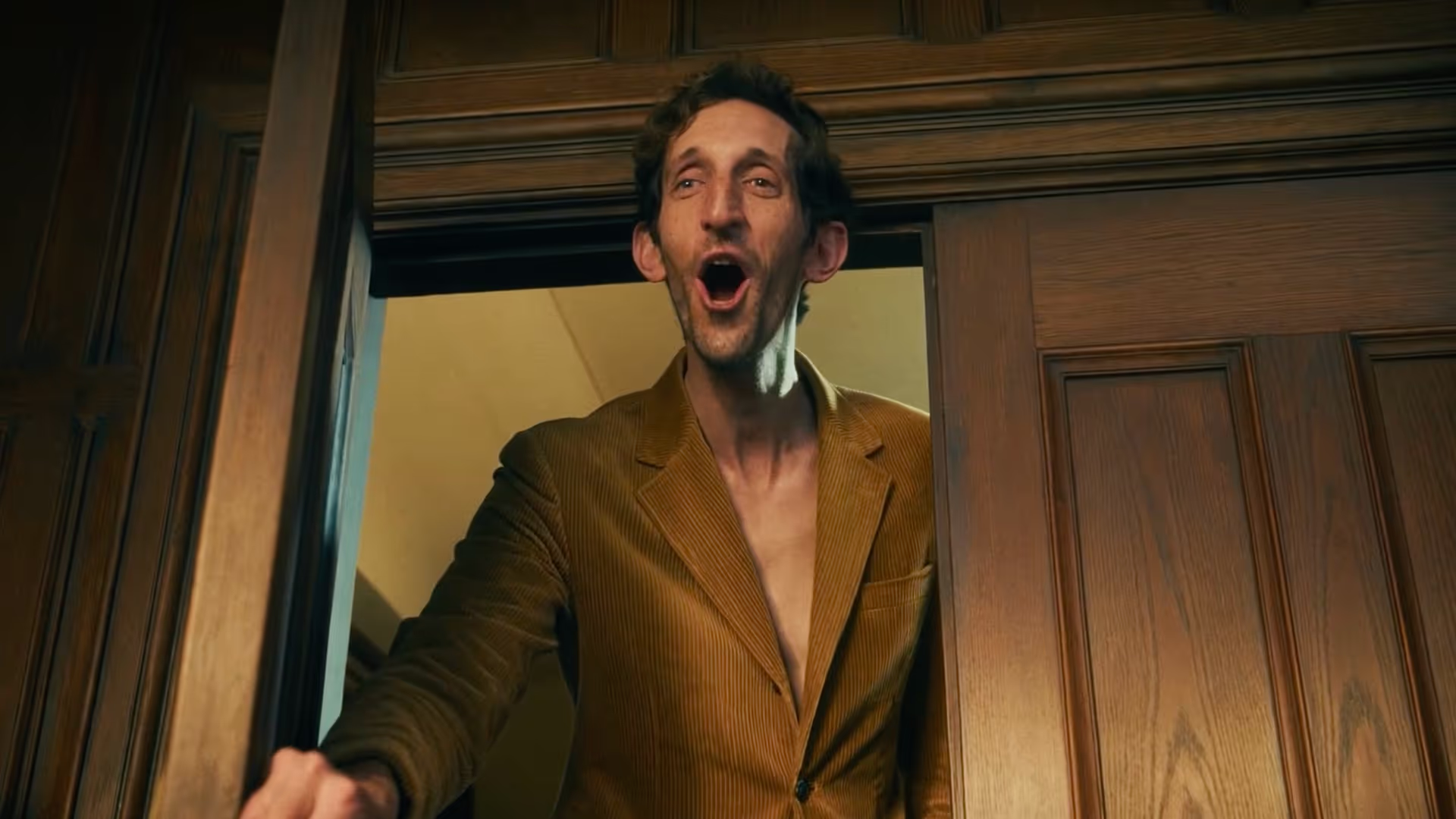
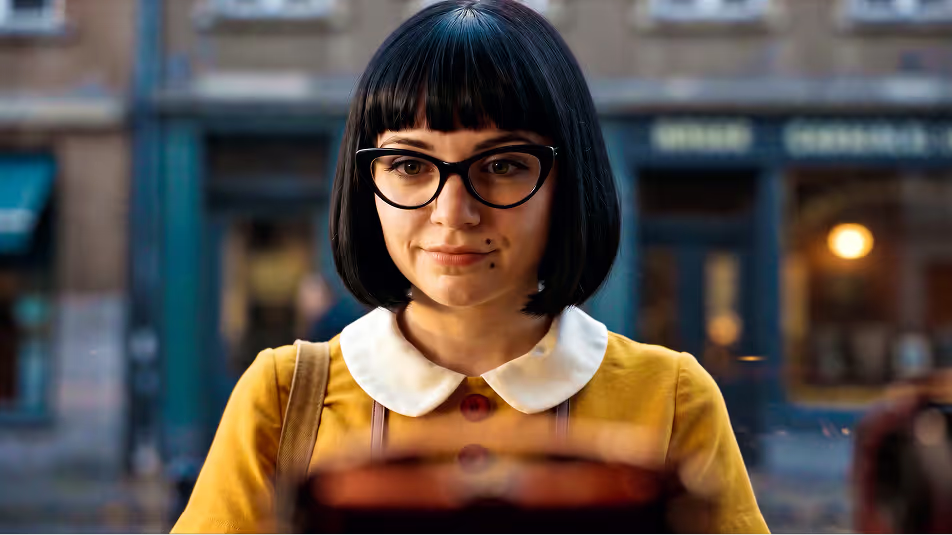
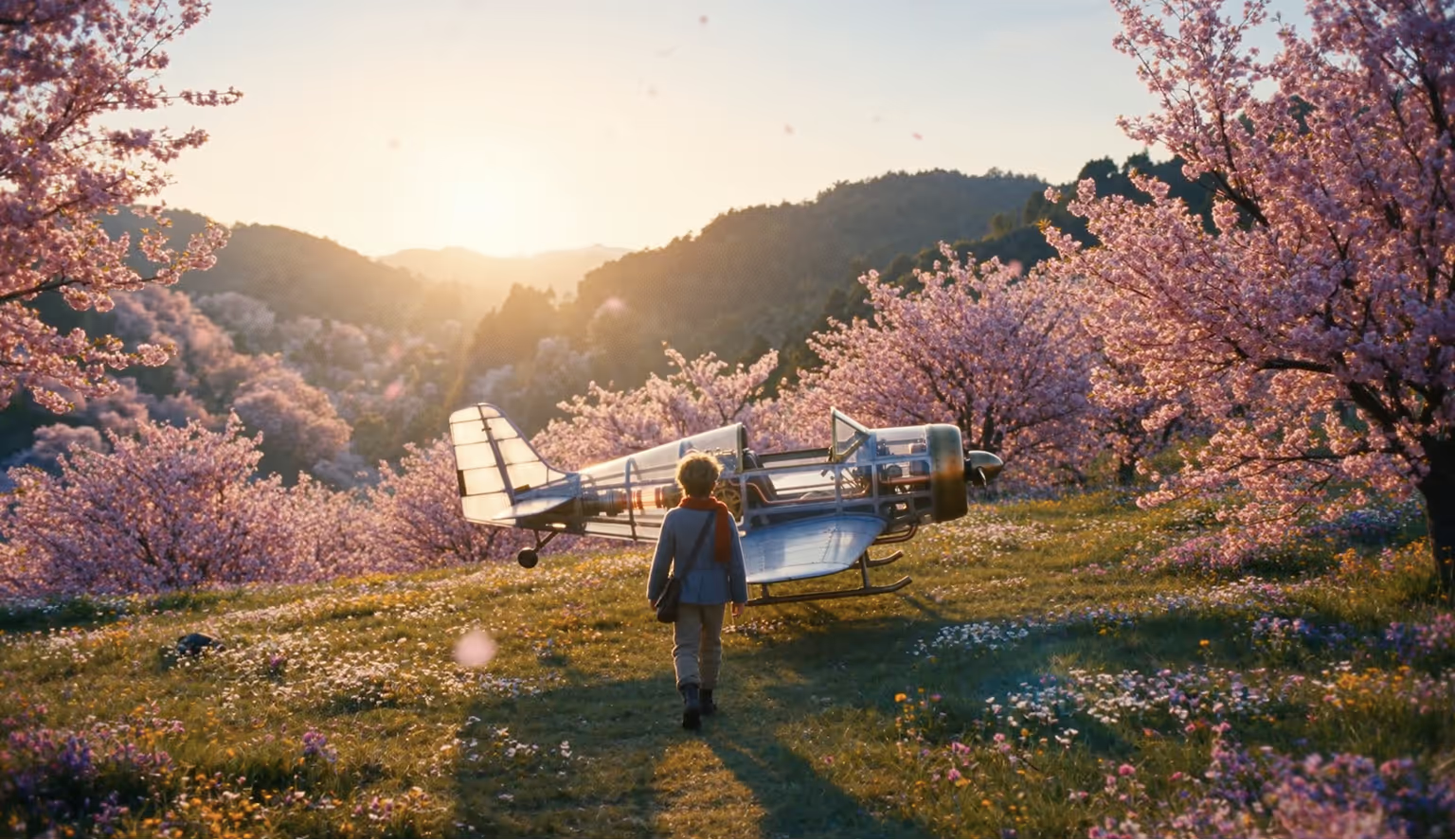
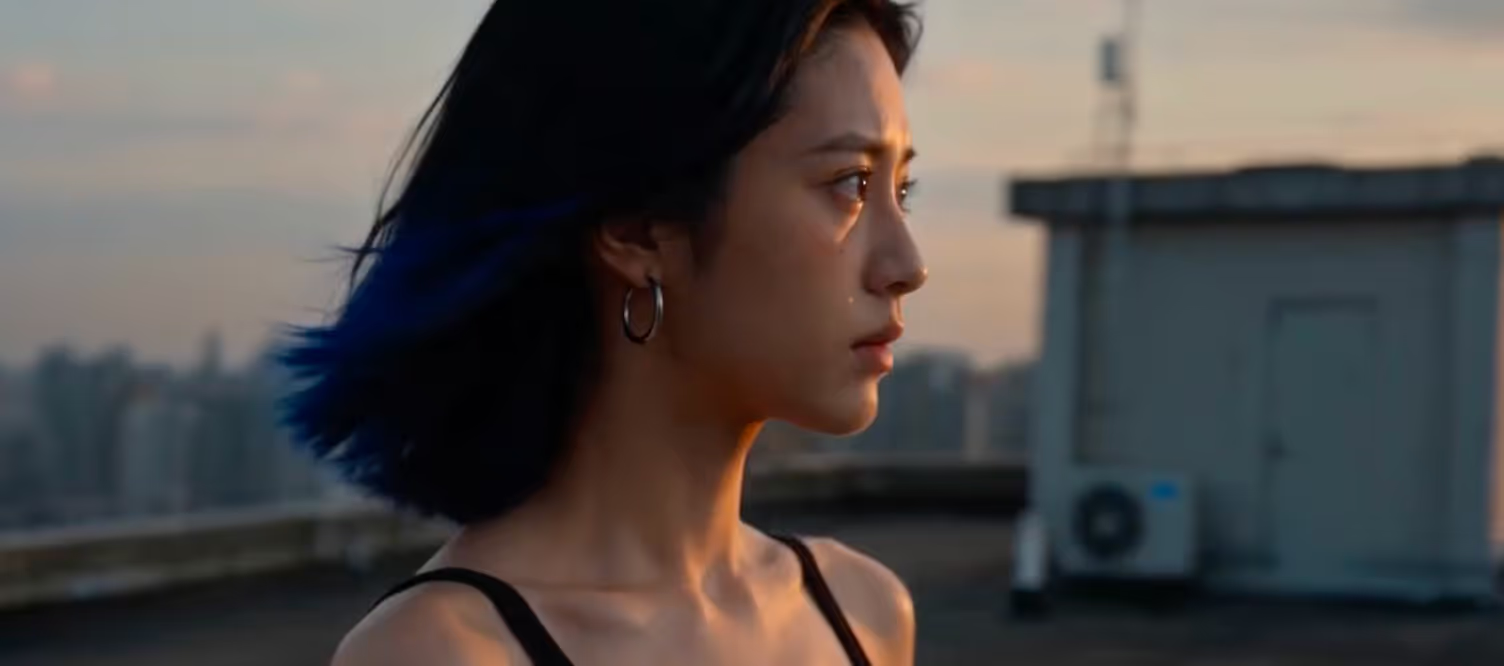
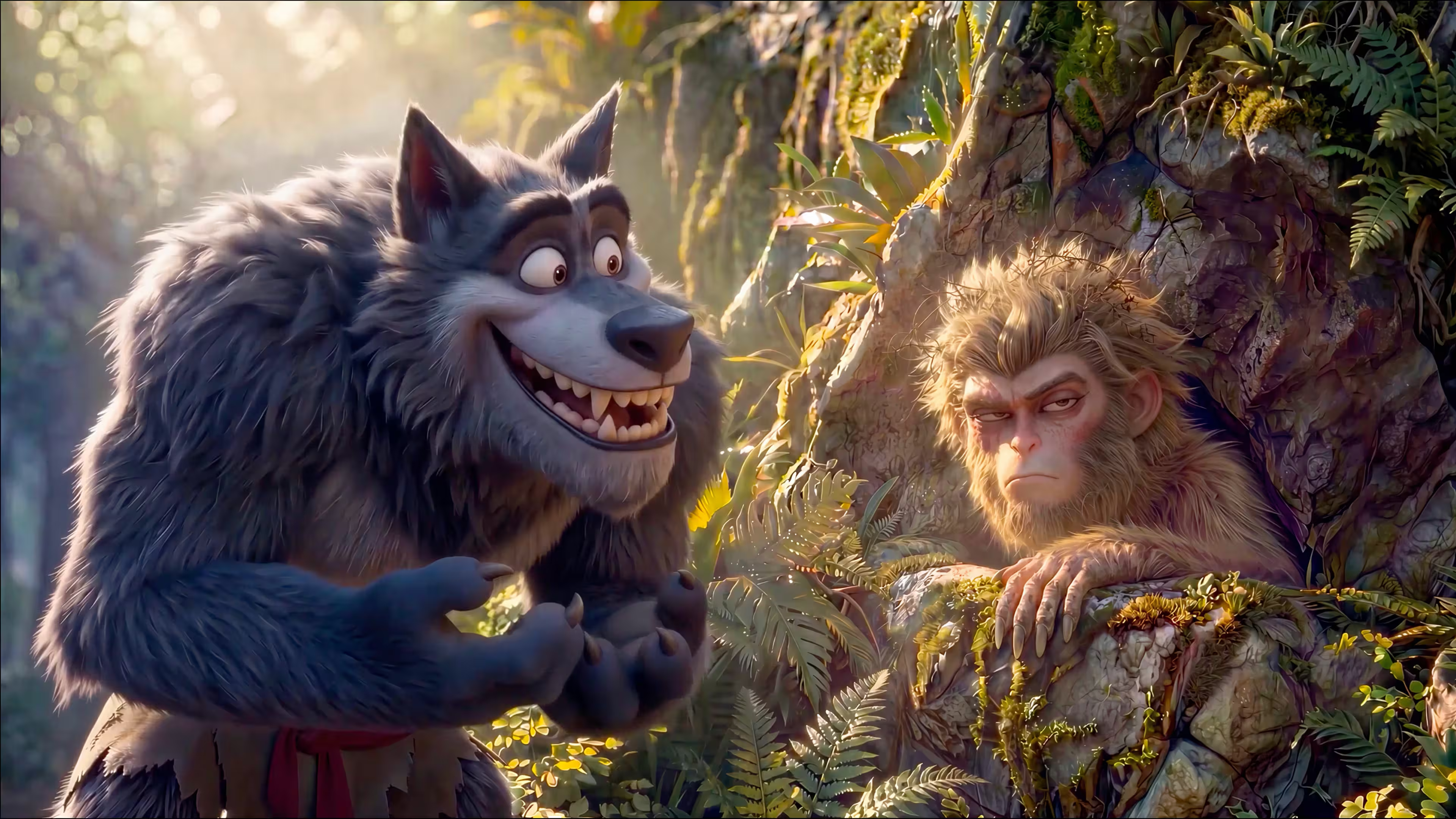
Today, Utopai is opening access to PAI, our cinematic storytelling engine. PAI is an AI model built for long-form video storytelling, with a focus on continuity across scenes, narrative structure, and creative control from concept through release. This is the same model we have been using internally across TV and film projects with strategic studio partners. We are making it available more broadly because the future of storytelling will be shaped by creators far beyond the traditional studios and the next wave of IP will come from many places.
.png)
That evolution shaped how PAI was built. The model reflects years of production experience and iteration around narrative continuity, visual language, and multi-shot reasoning. It is designed to support storytelling as a process that unfolds over time, rather than a collection of disconnected outputs. This focus on continuity and editing control is what allows creators to direct, refine, and carry a story forward without losing the thread that makes it feel cohesive and intentional.
As video creation becomes more accessible, the meaning of ownership becomes more personal. A world with more IP also demands clearer authorship. Empowering more storytellers only matters if creators can truly claim what they imagine, protect the worlds and characters they bring to life, and carry that work forward as their own.
We place extreme emphasis on portraits, safety, and IP. We’ve invested a lot of time ensuring proper IP permissions because we understand that as creation scales massively, IP becomes even more critical. This gives creators the control they need to manage rights, provenance, and releases with confidence. It means the worlds, characters, and stories you create can exist in the real world with clear authorship and provenance, without risking infringement on existing IP.
This focus on ownership and release-readiness matters because the broader creative landscape is changing fast. Video-first storytelling continues to reshape how audiences encounter long-form narratives. Short-form discovery is becoming the front door to larger story worlds. More people can explore ideas, test formats, and pursue visions that once felt out of reach. This expansion of participation will shape which stories take root, which new worlds and genres emerge, and which forms of IP define the next era of storytelling.
What does not change is the human standard for storytelling. Audiences still look for emotional truth, coherence, and craft. Technology can widen the field of what creators can attempt, but meaning still comes from people. The work of storytelling remains human. What’s changing is how many people can bring fully formed cinematic stories into the world, and how far those stories can reach.
.png)
This is the next chapter of cinematic storytelling. We are opening it alongside storytellers, to support the human work of imagination and authorship, and to help new worlds, new IP, and new genres take shape at a scale that has not existed before.
Get notified
The future of storytelling, in your inbox.