
These posts were published when Utopai Studios was known as Cybever. As our platform has evolved, some content may be outdated, but we've kept these articles here as a record of our journey.
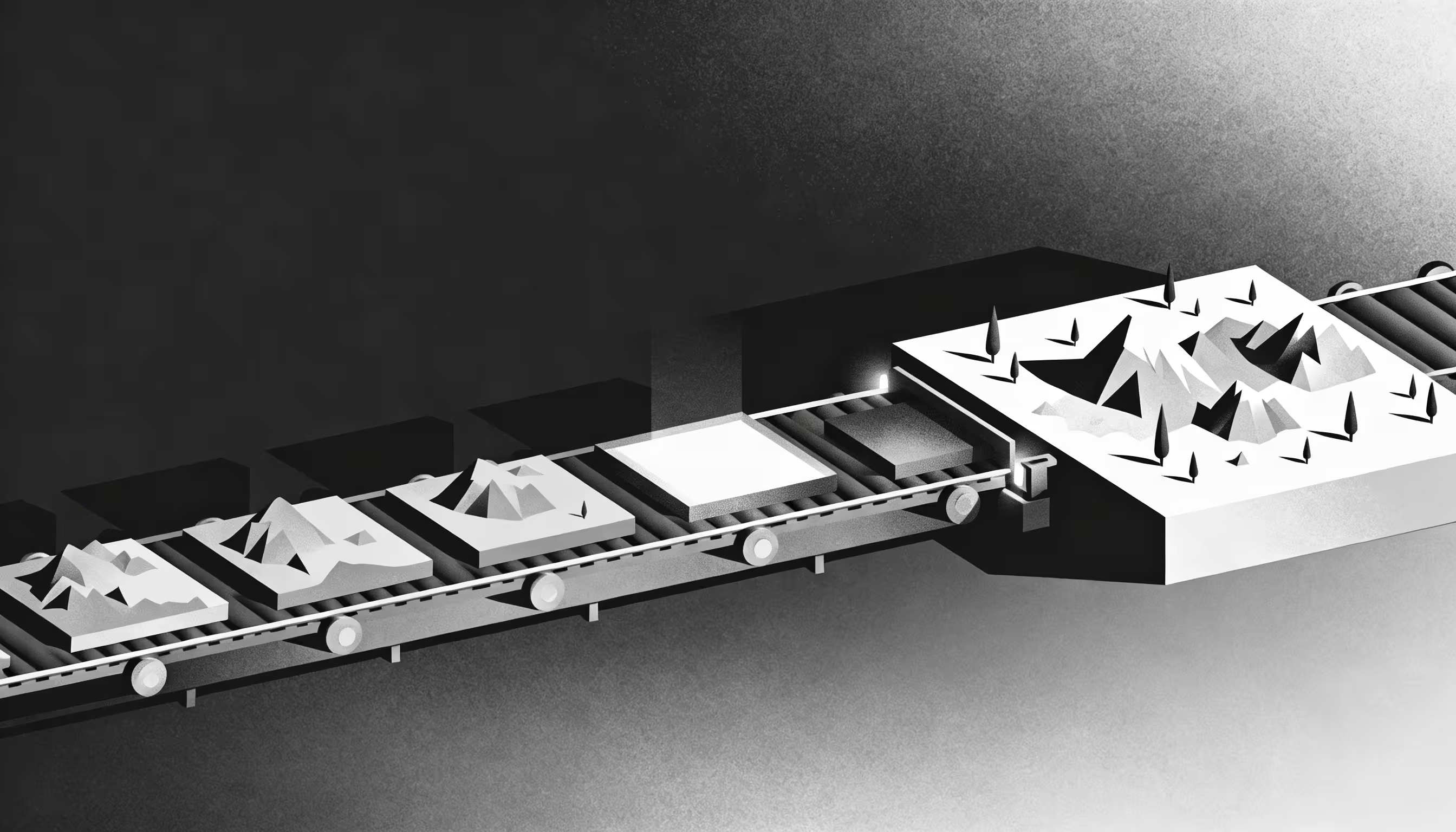
AI is transforming 3D modelling by turning rough sketches or text prompts into fully realized environments in minutes, making game and world creation faster and more accessible than ever. Tools like those developed by Cybever (now Utopai Studios) automate asset placement, layout, and rendering, freeing artists to focus on creativity rather than repetitive tasks. While this raises questions about ethics, training data, and creator compensation, the potential impact is huge—streamlining workflows in gaming, film, and architecture, and opening 3D design to a broader audience.
Cybever, now operating as Utopai Studios, develops AI tools that automate 3D asset placement, layout, and rendering, turning rough sketches or text prompts into fully realized environments. The technology is aimed at streamlining workflows in gaming, film, and architecture while opening 3D design to a broader audience.
Readers interested in how these tools are being applied across game and world creation can learn more about Utopai Studios and its work.
Get notified
The future of storytelling, in your inbox.